Rice noodles and vermicelli are essential staples in Southeast Asia’s food market. With increasing demand, manufacturers need high-efficiency production solutions.
Our automatic...
Traditional rice noodle workshops often struggle with low efficiency and unstable output.
An automatic rice noodle production line transforms your factory into a modern, standar...
Controlling raw material cost is crucial in rice noodle manufacturing.
Our rice noodle machine supports various rice types, including broken rice and mixed formulations. This fl...
Rising labor costs are a major challenge for food manufacturers. Automation is no longer optional — it is essential.
The fully automatic rice noodle production line integrates f...
With the continued growth in global demand for rice noodles, manufacturers are seeking faster and more stable production solutions. Manual processing can no longer meet the dema...
Choosing the right noodle production equipment depends on output demand, labor conditions and product variety.
The YH-350A is especially suitable for:
Medium-scale noodle factor...
Hygiene and durability are critical factors in food processing equipment selection.
The YH-350A noodle making machine is built with food-grade stainless steel, designed to meet ...
Modern food processing plants are moving toward integrated equipment to reduce complexity and improve reliability.
The YH-350A noodle making machine combines dough mixing, press...
In traditional noodle production, multiple machines and operators are required to complete dough mixing, sheeting, cutting and forming.
This not only increases labor cost, but a...
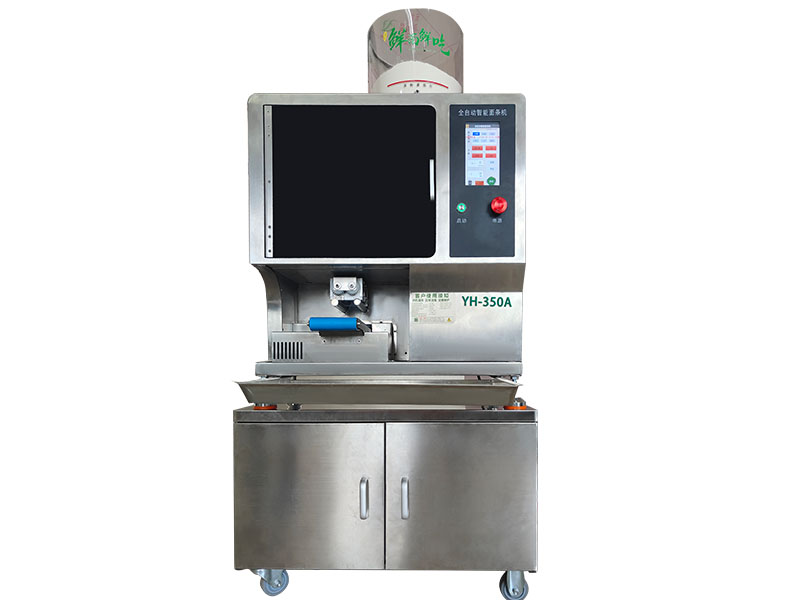
From kneading to cutting, from steaming to shaping, the YH-350A fully automatic noodle machine's integrated design makes production easier and less labor-intensive. Its core adv...
In the food processing industry, automation is the key to improving efficiency and consistency.The YH-350A Fully Automatic Multifunctional Dough Processing Machine features a PL...


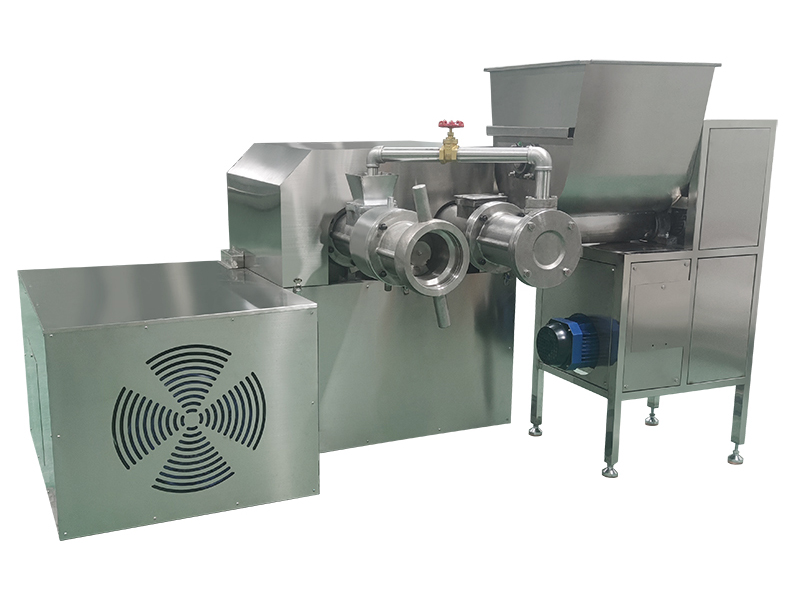
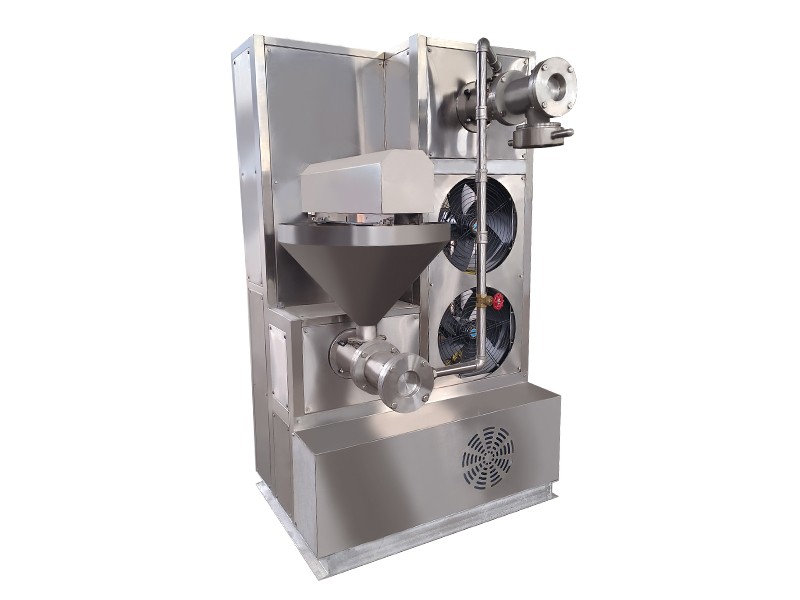
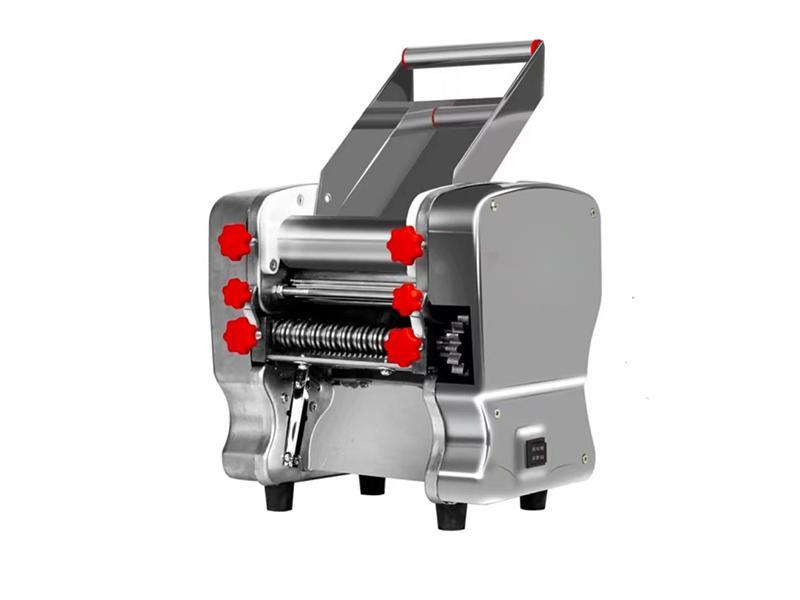
Automatic Rice Noodle Machine – High Demand Solution for Southeast Asia Food Market
Rice noodles and vermicelli are essential staples in Southeast Asia’s food market. With increasing demand, manufacturers need high-efficiency production solutions. Our automatic...
Upgrade from Manual Workshop to Modern Automatic Production
Traditional rice noodle workshops often struggle with low efficiency and unstable output. An automatic rice noodle production line transforms your factory into a modern, standar...
Flexible Raw Materials, Lower Production Cost
Controlling raw material cost is crucial in rice noodle manufacturing. Our rice noodle machine supports various rice types, including broken rice and mixed formulations. This fl...
Consistent Quality: The Key to Competitive Rice Noodle Production
In the rice noodle market, product consistency directly impacts brand reputation. Uneven thickness or broken noodles can reduce customer satisfaction. Our rice noodle machine en...
Reduce Labor Cost with Fully Automatic Rice Noodle Production Line
Rising labor costs are a major challenge for food manufacturers. Automation is no longer optional — it is essential. The fully automatic rice noodle production line integrates f...
High-Capacity Fully Automatic Rice Noodle Machine: The Choice for Efficient Production
With the continued growth in global demand for rice noodles, manufacturers are seeking faster and more stable production solutions. Manual processing can no longer meet the dema...
Who Is the YH-350A Noodle Making Machine Suitable For?
Choosing the right noodle production equipment depends on output demand, labor conditions and product variety. The YH-350A is especially suitable for: Medium-scale noodle factor...
Why Food-Grade Stainless Steel Matters in Noodle Making Machines
Hygiene and durability are critical factors in food processing equipment selection. The YH-350A noodle making machine is built with food-grade stainless steel, designed to meet ...
One Machine, One Process: The Advantage of Integrated Noodle Production Equipment
Modern food processing plants are moving toward integrated equipment to reduce complexity and improve reliability. The YH-350A noodle making machine combines dough mixing, press...
How Automated Noodle Making Machines Improve Efficiency in Food Processing Plants
In traditional noodle production, multiple machines and operators are required to complete dough mixing, sheeting, cutting and forming. This not only increases labor cost, but a...
All-in-One Machine | The YH-350A Automated Noodle Production Equipment is Here!
From kneading to cutting, from steaming to shaping, the YH-350A fully automatic noodle machine's integrated design makes production easier and less labor-intensive. Its core adv...
Boost Productivity, Ensure Quality | Fully Automatic Dough Processing Machine Upgrades Food Manufacturing
In the food processing industry, automation is the key to improving efficiency and consistency.The YH-350A Fully Automatic Multifunctional Dough Processing Machine features a PL...