The rice noodle making machine is the core equipment for shaping rice noodles.
Main types include:
Extrusion noodle machine
Sheet forming machine
Automatic continuous noodle ma...
The rice noodle production line is a complete system that transforms raw rice into finished rice noodles through soaking, grinding, forming, steaming, and drying.
A standard aut...
Rice noodles are no longer just a traditional food in Southeast Asia — they have become a fast-growing industrial product.
Driven by urbanization, rising demand for convenience ...
Many traditional food workshops in Southeast Asia struggle with low efficiency and inconsistent output. Upgrading to an automatic rice noodle production line transforms operatio...
In competitive food markets such as Southeast Asia, product consistency is essential. Consumers expect noodles with uniform texture, smooth surface, and reliable quality.
Our ri...
Rising labor expenses and raw material fluctuations challenge food manufacturers in Southeast Asia. Automation helps businesses optimize costs and improve operational efficiency...
Food demand in Southeast Asia continues to grow, creating opportunities for rice noodle producers. However, traditional manual processing often limits production efficiency and ...
Southeast Asia is one of the fastest-growing markets for rice noodles, with strong demand in countries such as Vietnam, Thailand, Indonesia, Malaysia and the Philippines. As con...
Investing in automation is a strategic decision for long-term profitability.
An automatic rice noodle production line offers:
✔ Reduced labor dependence
✔ Higher production effi...
The Southeast Asia food market is expanding rapidly. Manufacturers need modern production solutions to remain competitive.
Automatic rice noodle equipment offers:
✔ Scalable pro...
Labor cost and production efficiency are key challenges in food manufacturing.
Our rice vermicelli production line integrates feeding, extrusion, cooking, and cooling into one a...


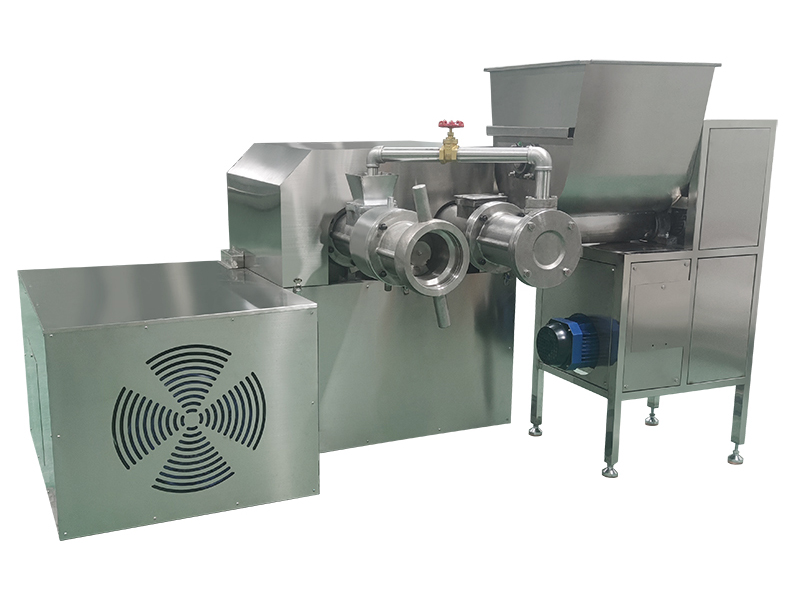
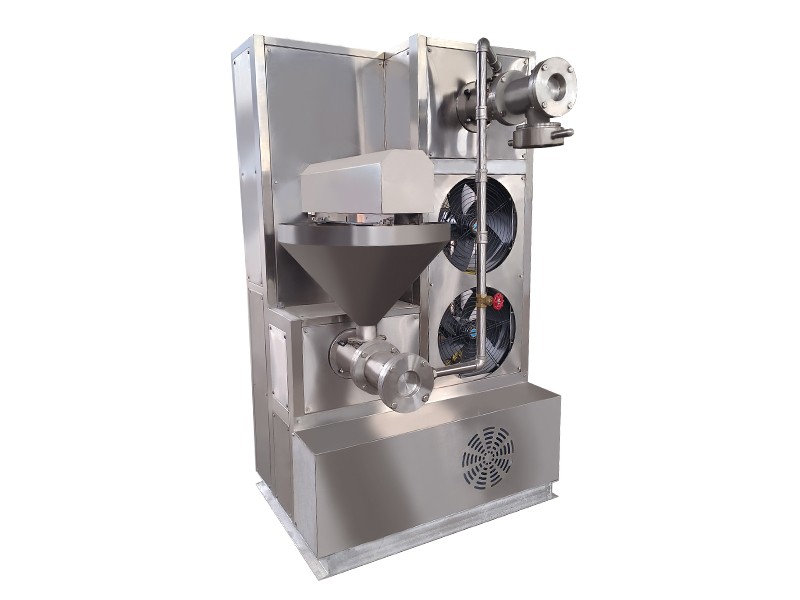
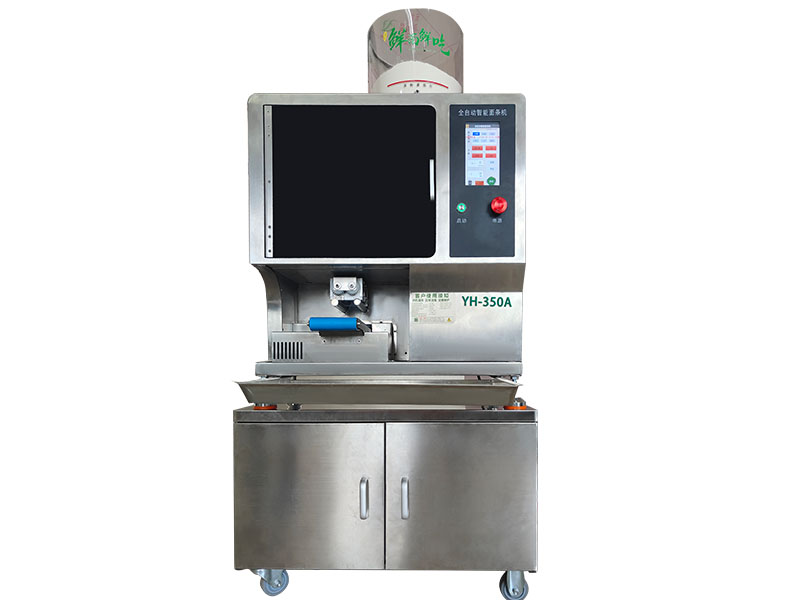
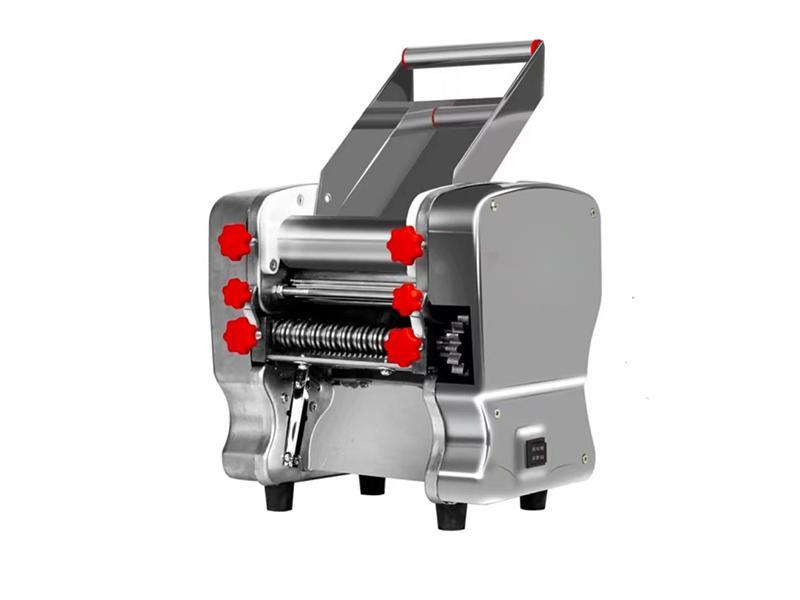
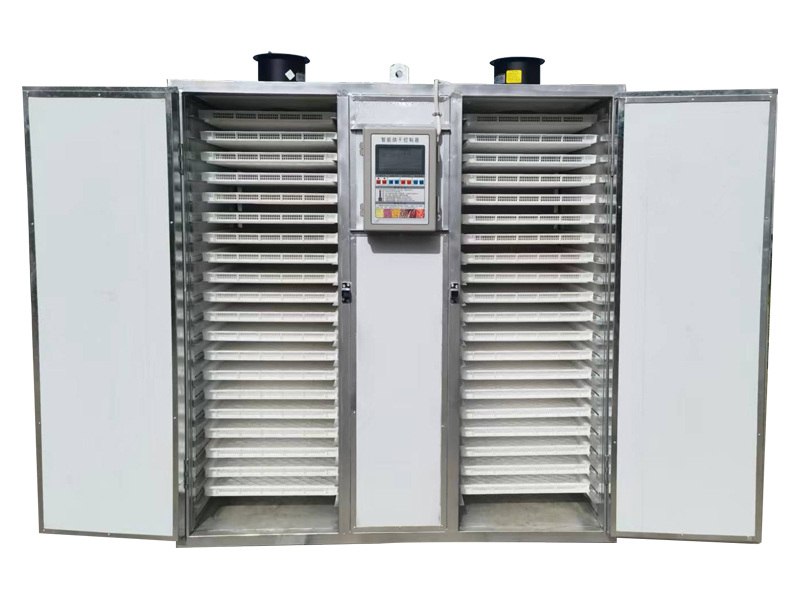
Rice Noodle Making Machine: Types and Selection Guide
The rice noodle making machine is the core equipment for shaping rice noodles. Main types include: Extrusion noodle machine Sheet forming machine Automatic continuous noodle ma...
Rice Noodle Production Line: Complete Processing Solution
The rice noodle production line is a complete system that transforms raw rice into finished rice noodles through soaking, grinding, forming, steaming, and drying. A standard aut...
Why Rice Noodle Production is Booming in Southeast Asia (And What It Means for Investors)
Rice noodles are no longer just a traditional food in Southeast Asia — they have become a fast-growing industrial product. Driven by urbanization, rising demand for convenience ...
Upgrade Your Factory with Automatic Rice Noodle Production Line in Southeast Asia
Many traditional food workshops in Southeast Asia struggle with low efficiency and inconsistent output. Upgrading to an automatic rice noodle production line transforms operatio...
Stable Quality Rice Noodle Production for Southeast Asia Food Markets
In competitive food markets such as Southeast Asia, product consistency is essential. Consumers expect noodles with uniform texture, smooth surface, and reliable quality. Our ri...
Reduce Production Cost with Automatic Rice Noodle Machine in Southeast Asia
Rising labor expenses and raw material fluctuations challenge food manufacturers in Southeast Asia. Automation helps businesses optimize costs and improve operational efficiency...
High Capacity Rice Vermicelli Production Line for Southeast Asia Manufacturers
Food demand in Southeast Asia continues to grow, creating opportunities for rice noodle producers. However, traditional manual processing often limits production efficiency and ...
Automatic Rice Noodle Machine for Southeast Asia Food Manufacturing Market
Southeast Asia is one of the fastest-growing markets for rice noodles, with strong demand in countries such as Vietnam, Thailand, Indonesia, Malaysia and the Philippines. As con...
Invest in Automatic Rice Noodle Production Line – High ROI Opportunity
Investing in automation is a strategic decision for long-term profitability. An automatic rice noodle production line offers: ✔ Reduced labor dependence ✔ Higher production effi...
Rice Noodle Manufacturing Equipment – Stable Quality for Export Markets
For manufacturers targeting export markets, product consistency is essential. Our equipment ensures: ✔ Uniform noodle thickness ✔ Strong and smooth texture ✔ Standardized produc...
Food Manufacturing Equipment for Southeast Asia – Meet Growing Market Demand
The Southeast Asia food market is expanding rapidly. Manufacturers need modern production solutions to remain competitive. Automatic rice noodle equipment offers: ✔ Scalable pro...
Rice Vermicelli Production Line – Boost Efficiency and Reduce Labor Cost
Labor cost and production efficiency are key challenges in food manufacturing. Our rice vermicelli production line integrates feeding, extrusion, cooking, and cooling into one a...